Your Setup Is Part of Your Strategy: Building a Gaming Space That Actually Performs
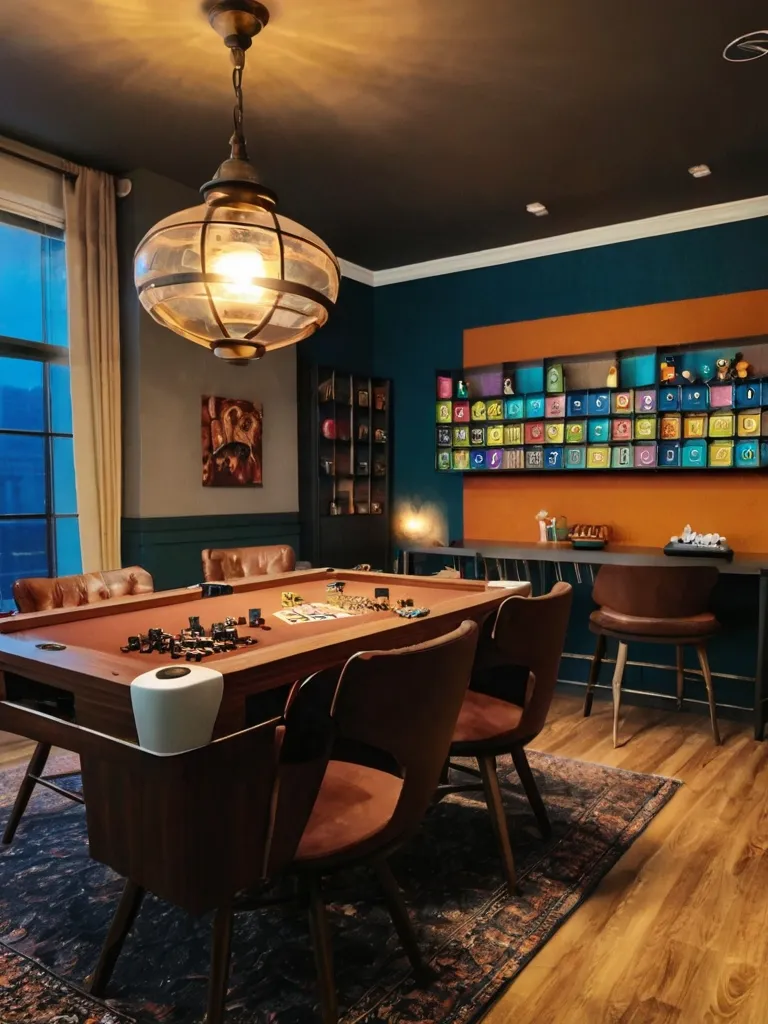
Photo: organized gaming room setup with board games and good lighting, via homezillo.com
You've studied the meta. You've logged the hours. You know the rulebooks better than most people know their own phone numbers. But if you're sitting in a creaky folding chair under a buzzing fluorescent light with your roommate's TV blaring in the background, you're already giving up ground before the first move is made.
Serious competitors in the board game and tabletop world spend enormous energy on preparation — and almost none of it on the physical space where that preparation gets put to the test. That's a gap worth closing. At BDG Game Hub, we're all about finding every edge available to players who want to rule the board, and your environment is one of the most underrated levers you've got.
The Space You Play In Is Part of the Game
Environmental psychology — the study of how physical surroundings influence behavior and cognition — has been quietly informing everything from office design to hospital layouts for decades. The core finding? Where you are shapes how you think. Noise levels, temperature, lighting quality, even the color of the walls around you can measurably affect focus, decision-making speed, and stress response.
For competitive gaming, that's not a minor footnote. It's a strategic consideration.
Think about it this way: chess grandmasters have long been known to make specific demands about tournament hall conditions — lighting angles, ambient noise, even the height of their chairs. They're not being divas. They're acknowledging that peak cognitive performance doesn't happen in a vacuum. It happens in an environment engineered to support it.
You don't need a tournament hall. You need a space that works for you.
Let There Be (The Right) Light
Lighting is probably the most immediately correctable variable in most home gaming setups, and it's one of the biggest culprits for mental fatigue during long sessions.
Harsh overhead lighting — especially cool-toned fluorescents or LED strips dialed too blue — creates glare on game boards, card sleeves, and screens. Over a two-hour session, that glare accumulates into eye strain, which feeds into irritability and slower processing. Warm, diffused lighting positioned to illuminate the play surface without reflecting directly into your eyes is the move.
If you're playing digital games competitively, monitor positioning matters just as much. Eye level is the sweet spot. Looking up or down for extended periods doesn't just strain your neck — it subtly elevates physical tension, which bleeds into cognitive tension.
A simple adjustable desk lamp with a warm-to-neutral bulb, positioned to the side of your play area rather than directly above, can make a noticeable difference in how long you stay sharp.
Your Chair Is Either Your Ally or Your Enemy
This one gets overlooked constantly. Gamers will spend hundreds on premium card sleeves and not a second thought on what they're sitting in for four hours straight.
Poor seating posture restricts blood flow and increases physical discomfort, both of which compete directly with your ability to focus. When your body is uncomfortable, your brain diverts processing resources toward managing that discomfort. You're literally playing with less of your mental capacity available.
You don't have to buy an expensive ergonomic chair — though if you're gaming competitively for long stretches, it's worth the investment. At minimum, make sure your feet are flat on the floor, your back has support at the lumbar region, and your arms can rest comfortably at table height without your shoulders creeping up toward your ears. Tension in the shoulders is a classic sign that your setup is working against you.
Competitive players who've made ergonomics a priority consistently report that they feel more present and less mentally drained at the end of long sessions. That presence translates directly into better late-game decision-making — exactly when the stakes are highest.
Killing the Noise (Mental and Physical)
Distraction management is where a lot of home setups fall completely apart. Between phones, notifications, ambient household noise, and the general chaos of American home life, maintaining deep focus during a competitive match is genuinely hard.
The research on this is pretty clear: multitasking is a myth. Every interruption — even a brief one — costs you a recovery period where your brain is working to re-establish the context it just lost. In a timed match or a high-stakes tournament game, that recovery time is expensive.
Some practical fixes that competitive players swear by:
- Phone in another room. Not face-down on the table. Another room. The mere presence of a smartphone within eyeline has been shown to reduce available cognitive capacity, even when it's not being used.
- White noise or instrumental music. A consistent ambient sound backdrop helps mask unpredictable household noise, which is more disruptive than steady background sound. Plenty of players use lo-fi playlists or white noise apps during practice sessions.
- A defined start ritual. Before a serious session, take two minutes to clear the table of everything that isn't part of the game. This isn't just tidiness — it's a psychological signal to your brain that it's time to shift into competitive mode.
Psychological Ownership: Why Comfort Breeds Confidence
There's a subtler element to all of this that doesn't get talked about enough: the psychological comfort of playing in a space that feels genuinely yours.
Home court advantage is real in sports, and it's real at the game table too. When you've deliberately set up your space — when the lighting is dialed in, the seating is right, the distractions are managed — you walk into a session with a baseline confidence that players who haven't done this work simply don't have. You're not just physically comfortable. You're psychologically grounded.
That groundedness matters during high-pressure moments. When the game is close and the clock is ticking, players who feel secure in their environment tend to make cleaner, less reactive decisions. Players who are uncomfortable — physically or mentally — are more likely to rush, second-guess, or tilt.
Building a space that supports your best play is, at its core, an act of competitive preparation. It's the same mindset that drives dedicated players to study openings, review past games, and show up early to tournaments. Every detail contributes to the larger picture of how ready you are when it counts.
Start Small, Build Intentionally
You don't need to renovate your apartment to get these benefits. Start with the lowest-hanging fruit: better lighting and a more comfortable chair. Then address your biggest distraction source. Then build from there.
The players who rule the board at BDG Game Hub aren't just the ones with the deepest knowledge of the games they play. They're the ones who've taken the whole competitive picture seriously — including the environment where they do their best thinking.
Your setup is part of your strategy. Treat it that way.