Why You Can't Stand That One Player at the Table (And What It Says About You)
Photo: Gannu03, CC BY-SA 4.0, via Wikimedia Commons
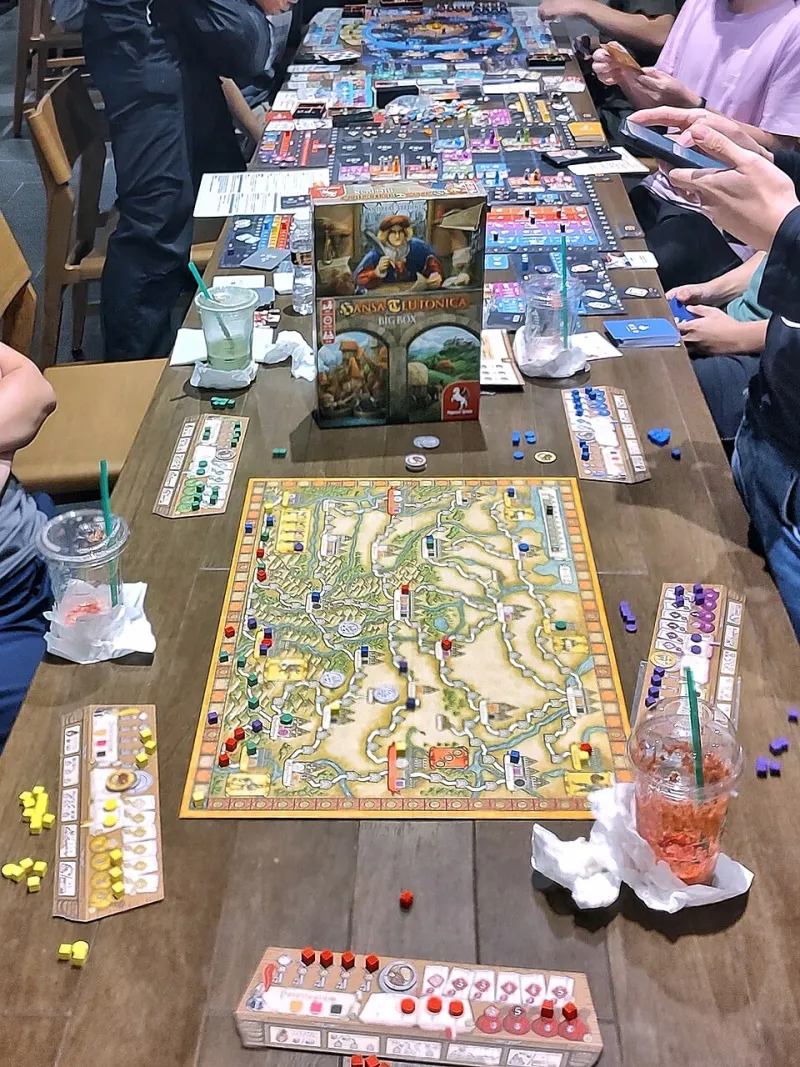
We've all been there. It's game night, everyone's settled in, snacks are out, and then that person makes a move that makes your eye twitch. Maybe they blew up a perfectly good alliance for no apparent reason. Maybe they spent twenty minutes deliberating over a single card draw. Maybe they just kept cracking jokes when you were trying to calculate your next three moves.
Here's the thing: it probably wasn't personal. What you were actually bumping up against was a fundamental clash of player archetypes — the distinct personality-driven styles that shape how people approach games. Once you understand these types (including your own), the whole table dynamic starts to make a lot more sense.
What Even Is a Player Archetype?
A player archetype is basically the gaming personality you default to when the pressure is on. It's shaped by how you handle risk, how you process competition, what motivates you to play in the first place, and how much you care about winning versus the experience of playing.
These aren't rigid boxes — most people blend a couple of styles depending on the game and the group. But everyone has a dominant mode, and when two incompatible modes collide, you get friction. Sometimes that friction is fun. Often, it's just frustrating.
At BDG Game Hub, we talk a lot about thinking strategically and building stronger communities. Understanding archetypes feeds directly into both.
The Four Core Archetypes You'll Meet at Every Game Night
The Aggressor
This player lives for bold moves. They're the ones who attack early, take the risky gamble, and seem almost allergic to playing it safe. In games like Risk or Cosmic Encounter, they're the first one to declare war. In deck-builders, they're swinging for the fences before anyone else has built a real engine.
The Aggressor isn't reckless — or at least, not always. They've just internalized the idea that momentum and pressure win games. They'd rather go down swinging than slowly get outmaneuvered.
How to handle them: Don't get rattled. Aggressors rely on emotional reactions. If you panic and overextend trying to counter them, they've already won half the battle. Let them burn resources on early aggression, then capitalize when they're overcommitted.
The Tactician
This is the player who takes forever on their turn — and honestly? They usually have a reason. The Tactician is running scenarios in their head, calculating probabilities, and refusing to make a move until they've stress-tested it from six angles. Think of them as the chess player who wandered into your Catan game.
They're methodical, patient, and genuinely difficult to outmaneuver once they've established a position. The downside? They can slow the game to a crawl, which drives everyone else nuts.
How to handle them: Introduce unpredictability. Tacticians struggle when the board state shifts in ways they didn't anticipate. Force them to recalculate by making unexpected plays, even if those plays aren't optimal on paper.
The Diplomat
This player's superpower is social. They're negotiating side deals before the game starts, building alliances mid-round, and somehow managing to stay off everyone's radar even when they're clearly in the lead. In games with trading mechanics — Settlers of Catan, Chinatown, Sidereal Confluence — they absolutely thrive.
The Diplomat isn't just being friendly. They're playing a different kind of game, one where relationships and perceived threat levels are the real currency.
How to handle them: Watch what they actually do, not just what they say. Diplomats are charming, but charm is a strategy. Track their resource gains and board position independently of whatever deal they're pitching you.
The Casual Enjoyer
This player is here for the vibes. They're not tracking win rates, they don't have a meta strategy, and they might genuinely forget what happened on their last turn. They laugh at their own mistakes, cheer for good moves even when those moves hurt them, and are generally the most enjoyable human at the table.
For competitive players, they can be maddening — because they're unpredictable in a way that has nothing to do with strategy. They'll accidentally disrupt your perfect plan just by doing something no rational player would ever do.
How to handle them: Embrace the chaos, or at least accept it. Trying to predict a Casual Enjoyer is a losing battle. Build flexibility into your strategy so random disruptions don't derail you completely.
The Part Where You Have to Look in the Mirror
Here's the uncomfortable truth: the archetype that irritates you most is usually the one that directly counters your own style.
If you're a Tactician, Aggressors feel like they're cheating — how dare they win before you've had time to optimize? If you're a Diplomat, Tacticians are infuriating because they won't make deals based on anything other than cold logic. If you're a Casual Enjoyer, the Tactician who's been staring at the board for eight minutes is killing your good time.
Recognizing your own archetype isn't about labeling yourself. It's about understanding your blind spots. Every style has weaknesses. The Aggressor overextends. The Tactician gets paralyzed. The Diplomat gets outmaneuvered when everyone finally notices them. The Casual Enjoyer leaves points on the table constantly.
The best players — the ones who consistently perform well in tournaments and adapt to new groups — aren't locked into one mode. They read the table, identify what's in front of them, and shift their approach accordingly.
Building a Group That Actually Works
If you're organizing a regular game night or running a crew through BDG Game Hub, archetype awareness is genuinely useful for group dynamics. A table full of Aggressors is going to be chaotic and fast. A table full of Tacticians is going to be slow and cerebral. Mix them up, and you get something more interesting — but only if people understand why they're clashing.
When someone in your group is driving you crazy, try asking: what archetype are they playing from? It reframes the frustration. Instead of why are they being so annoying, you start thinking how do I adapt to this style — which is a much more productive headspace.
Game nights are better when people feel like they belong at the table, even if their style is different from yours. And tournaments? Understanding archetypes is basically free scouting.
The Takeaway
Great gaming isn't just about knowing the rules — it's about knowing the people. Player archetypes are the hidden layer underneath every game, influencing decisions, creating conflict, and shaping the stories that make game night worth showing up for.
Figure out who you are at the table. Then figure out who's sitting across from you. That's where the real strategy begins.