Playing by Rules Nobody Wrote Down: The Hidden Code Every Serious Gamer Knows
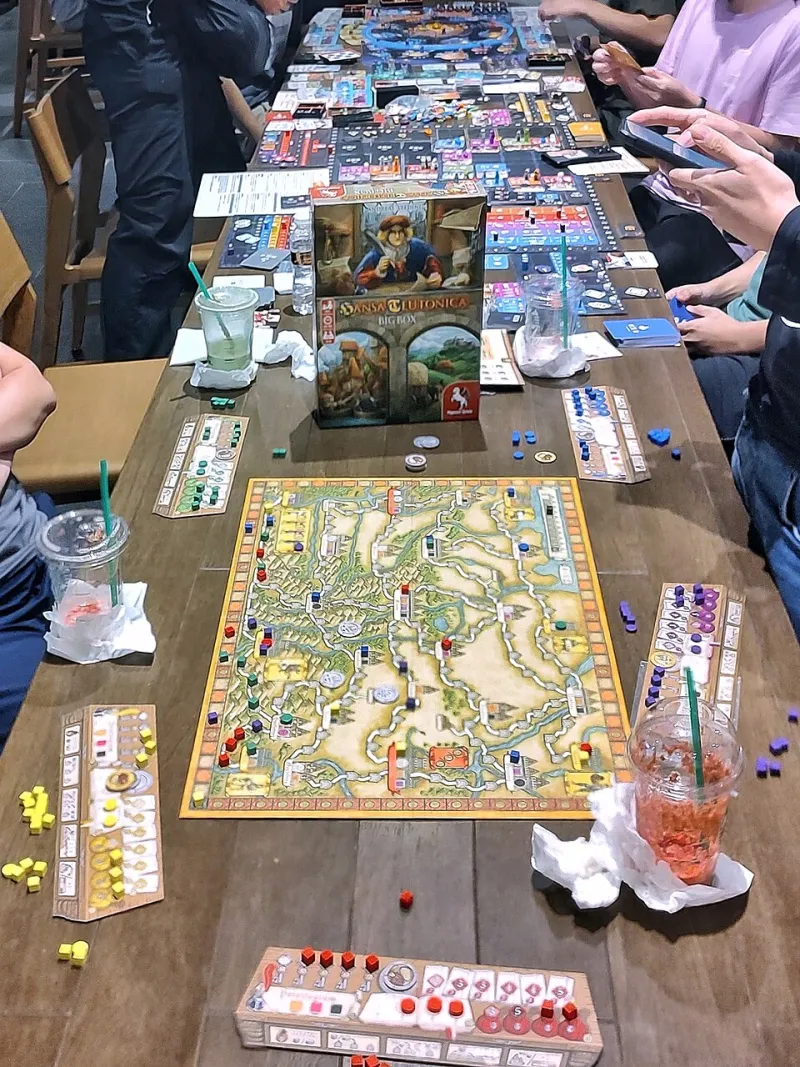
Photo: Cmglee, CC BY-SA 4.0, via Wikimedia Commons
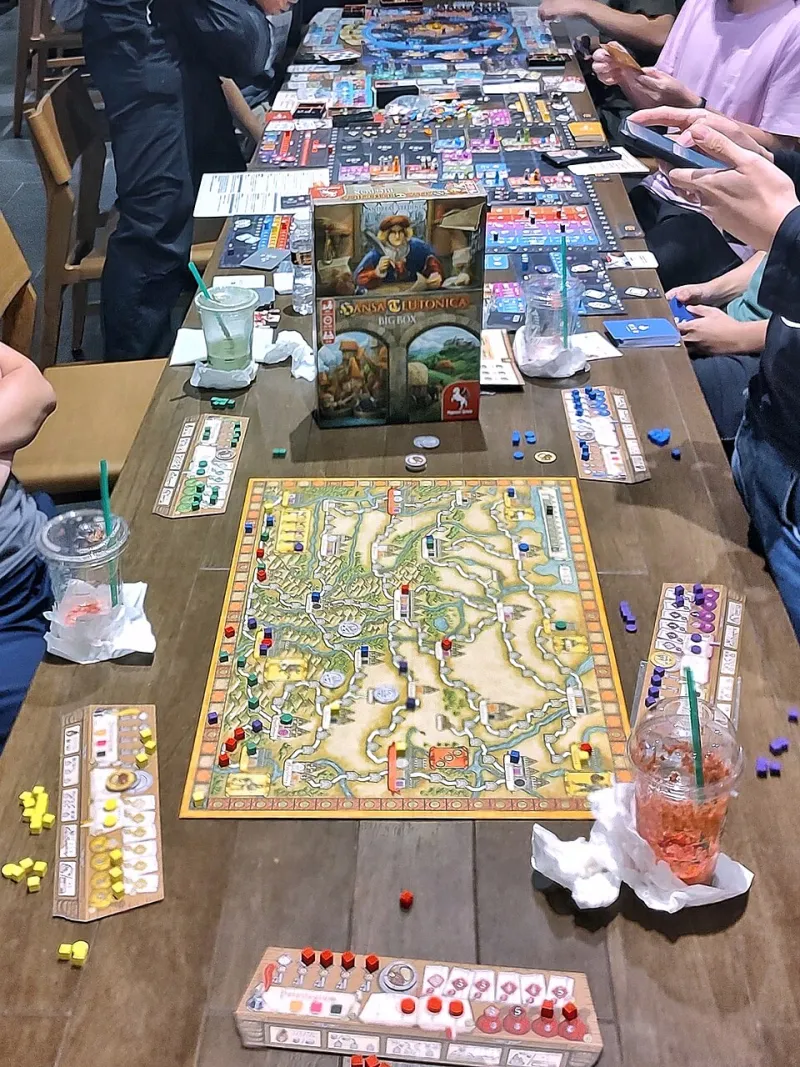
Walk into any serious gaming night — a Friday tournament at your local game store, a competitive bracket at a regional convention, even a tight-knit group that's been meeting in someone's basement for years — and you'll notice something pretty quickly. There's a vibe. A rhythm. People seem to know how to behave in ways that no rulebook ever spelled out. Someone keeps their phone face-down during a match. Another player waits a beat before celebrating a win. Nobody told them to do any of that. They just know.
That invisible layer of conduct is what separates players who get invited back from players who don't. And if you're trying to level up your standing in any competitive gaming community — whether that's board games, tabletop strategy, or local game nights — understanding that unspoken code isn't optional. It's the whole game underneath the game.
What We Actually Mean by "Unwritten Rules"
Let's be clear: this isn't about bending the official rules or finding loopholes. The unwritten rules operate in a completely different lane. They're the social contract that keeps a competitive space functioning — the shared understanding of how people should treat each other, handle pressure, react to outcomes, and carry themselves at the table.
Think of it like this. The rulebook tells you when you can take an action. The unwritten rules tell you how to act when you take it.
These norms develop organically over time in any community. They're shaped by culture, by the competitive level of the group, and sometimes by one or two players who set a tone that everyone else quietly adopted. They shift between communities too — what's acceptable at a casual kitchen-table game night might raise eyebrows at a serious tournament, and vice versa.
The Kibitz Question: When Commentary Becomes a Problem
One of the biggest gray areas in any gaming community is kibitzing — the act of offering unsolicited commentary, advice, or reactions while watching others play. In casual settings, this is almost expected. It's part of the fun. Someone makes a bold move, and the spectators react. That's good energy.
But in competitive play, the line shifts dramatically. Offering advice to a player mid-game — even with the best intentions — can constitute interference. Reacting visibly to someone's hand, position, or decision can tip off information that should stay private. Even something as small as an audible exhale at the wrong moment can influence the outcome of a match.
Serious players learn to read the room. They understand that at a competitive table, silence is often the most respectful thing you can offer. If you're spectating, stay neutral. If you're playing, keep your reactions in check. That discipline is noticed, and it signals to everyone around you that you understand what level you're operating at.
Celebrating Without Making It Weird
Here's a topic that gets people fired up: how you handle a win. In American sports culture, big celebrations are practically expected. But gaming — especially the board game and tabletop world — operates on different social frequencies.
A genuine, enthusiastic reaction to a hard-fought win? Totally fine. You played well, you're excited, that's human. But there's a version of celebrating that tips into something else — something that feels less like joy and more like theater. Lingering too long on a victory, replaying your best moves in detail while your opponent is still processing the loss, or making the celebration bigger than the game itself? That's where it gets uncomfortable.
The players who've been around a while tend to celebrate with the moment, not over their opponent. They acknowledge the game, maybe shake hands or offer a genuine compliment on a tough play, and then let the moment breathe. It sounds simple, but it's a surprisingly rare skill.
On the flip side, how you handle a loss matters just as much. Blaming luck, questioning rules interpretations out loud, or going cold and distant after a tough defeat — these behaviors get noticed. The competitive community is smaller than it looks, and reputations travel fast.
Pace, Focus, and Respecting the Clock
Another dimension of unwritten etiquette that newer players often underestimate: pace of play. In casual games, it's totally normal to deliberate, chat between turns, or spend a few minutes mulling over a decision. That's part of the fun.
In competitive settings, though, slow play becomes a form of disrespect — whether intentional or not. When you consistently take longer than necessary on decisions, you're eating into everyone's time, disrupting the flow of the event, and sometimes — whether you mean to or not — using delay as a psychological tactic.
Seasoned competitors come prepared. They've thought through their strategies before they sit down. They make decisions with purpose. That doesn't mean you have to rush, but it does mean being present, focused, and aware that the table's time is a shared resource.
Also worth noting: phones. Look, everyone's got one, and nobody's asking you to leave it in your car. But keeping it out on the table during active play, glancing at notifications mid-game, or — worse — using it to look something up when you're supposed to be competing? That's the kind of thing that erodes trust at the table, even if nothing technically against the rules happened.
When Interpretations Clash
Here's the tricky part. Because these rules are unwritten, not everyone has the same version of them. Someone who learned competitive gaming in a hyper-casual local crew might have a completely different read on what's acceptable than someone who came up in a strict tournament circuit.
When those two players sit across from each other, friction is almost inevitable. One person's enthusiastic table talk is another person's distraction. One person's detailed post-game breakdown is another person's poor sportsmanship.
The best approach when you sense a mismatch? Don't assume bad intent. Most people who violate unwritten rules aren't trying to be disrespectful — they just haven't been socialized into the same norms. A quiet, direct conversation after the session can go a long way. "Hey, at this level of play, we usually keep the commentary down during active turns" lands a lot better than a passive-aggressive eye roll or a complaint to the tournament organizer.
Being the person who communicates clearly and without ego? That's actually one of the highest-status moves you can make in a gaming community.
The Bigger Picture
At BDG Game Hub, we talk a lot about what it means to truly compete — to show up, earn your standing, and build something real within a community. The unwritten rules are a huge part of that. They're the difference between someone who can play the game and someone who actually belongs in the space.
You don't learn these things overnight. They come from watching, listening, and being willing to adjust when you realize your behavior isn't landing the way you intended. The best competitors in any room aren't just technically skilled — they're socially fluent. They've done the work to understand the culture they're operating in.
So next time you sit down at a competitive table, bring your A-game strategically. But also bring some awareness of everything happening around the board. That second part might end up mattering more than you think.