Favors, Debts, and Dice: The Hidden Economy Running Your Gaming Circle
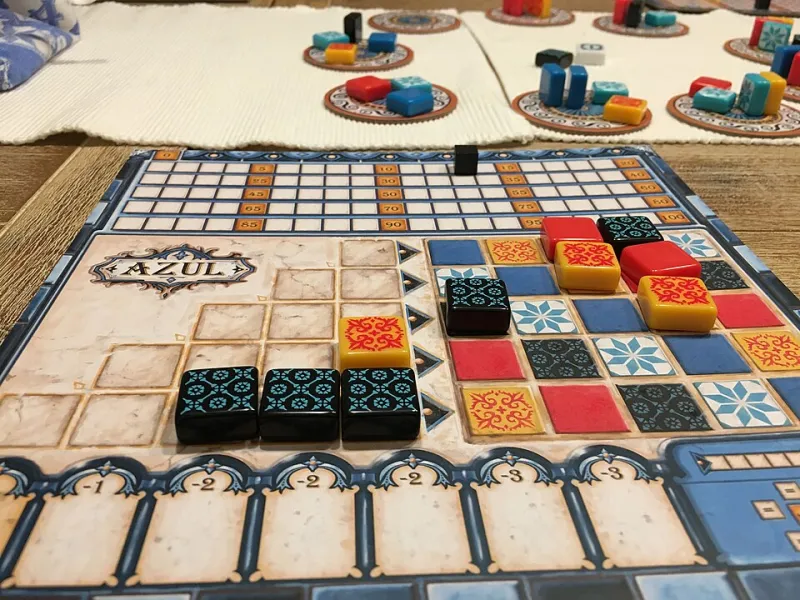
Photo: Gábor Zehetmayer, CC0, via Wikimedia Commons
You've probably never written it down. Nobody has. But somewhere in the back of your mind, you know exactly who owes you a favor and who you owe one to. Maybe Marcus let you borrow his full set of custom meeples for a regional tournament last spring. Maybe you spent two hours walking a newer player through deck-building fundamentals before their first competitive event. These things don't show up on any leaderboard, but trust — they absolutely show up in your competitive life.
Welcome to the unspoken economy of gaming communities. It's real, it's powerful, and if you're not paying attention to it, you're leaving serious social capital on the table.
What We're Actually Talking About
The informal economy of a gaming circle isn't about money — or at least, not directly. It's the web of small transactions that happen constantly between players: lending out components, sharing strategy notes, covering a tournament entry fee when someone's short on cash, vouching for a newcomer at a private event, or simply agreeing to carpool to a convention three states away.
None of these things come with a contract. There's no Venmo request, no signed agreement. But everyone involved understands the weight of what's been exchanged. That understanding — that mutual awareness of give and take — is exactly what makes this economy function. And in tight-knit competitive communities, it functions with surprising precision.
Think of it less like a bank and more like a small-town general store running tabs. Everyone knows what's on your tab. Nobody talks about it directly. But it absolutely affects how people treat you.
The Currencies That Actually Matter
So what gets traded in this economy? More than you might expect.
Components and gear are the most tangible. Borrowing a rare expansion, a high-quality game mat, or a complete set of sleeved cards for a one-time event might seem minor. But the person who lent those items took on real risk for you. That matters.
Knowledge and coaching might actually be the most valuable currency in the whole system. When an experienced player sits down and genuinely invests time in helping you improve — breaking down your decision-making, pointing out patterns in your play, running practice games — that's a significant gift. It costs them time and reveals strategic thinking they've spent years developing.
Access and vouching is where the economy gets genuinely competitive. Getting into certain events, private leagues, or high-level play groups often depends less on your rating and more on who's willing to put their name behind you. When someone sponsors your entry into a closed tournament or recommends you for a team slot, they're spending real social currency on your behalf.
Logistical support — rides, shared hotel rooms at conventions, splitting registration costs — rounds out the picture. These feel small but accumulate fast, especially for players who are younger, newer to the scene, or working with tighter budgets.
How Debt Shapes Your Competitive Future
Here's where it gets interesting. This informal economy doesn't just affect your friendships — it actively shapes your trajectory as a competitive player.
Team formation is maybe the clearest example. When players are putting together a crew for a team tournament, they're not running purely on merit. Relationships matter. Loyalty matters. The person who helped you out six months ago gets the call before a stranger with a slightly better win rate. That's not nepotism — that's just how human communities work, and gaming communities are no different.
Tournament access follows the same logic. The best events — especially invitation-only formats or community-run competitions with limited slots — often fill up through networks before they ever get publicly announced. Your position in that network, and what you've contributed to it, determines whether you get the early text or find out too late.
Long-term standing in a community is perhaps the most subtle effect. Players who consistently take without giving back develop reputations that follow them. It's rarely dramatic — nobody's going to call you out at a tournament for being a taker. But over time, the invitations get fewer, the coaching conversations get shorter, and the goodwill runs dry.
The Danger Zones
This system isn't without its pitfalls. A few things can go wrong in ways that genuinely hurt people.
First, imbalance creates resentment. When one player consistently receives — borrows gear, absorbs coaching, gets vouched into events — without ever reciprocating, even informally, it breeds frustration. The person on the giving end starts to feel used, even if they never say it out loud. That silent resentment can quietly poison an entire group dynamic.
Second, the ledger can be weaponized. In unhealthy communities, favors get used as leverage. Someone might remind you of past help at a moment that feels manipulative or transactional in an ugly way. This is a red flag. A healthy gaming economy runs on genuine goodwill, not debt collection.
Third, new players often don't know the rules. Someone just entering a competitive scene has no idea this economy exists, let alone how to navigate it. They might unknowingly take without giving, not out of selfishness but out of ignorance. Established players who recognize this have a real opportunity — and honestly, a responsibility — to bring newcomers into the system constructively rather than letting them stumble.
Playing the Long Game
If you want to build a genuinely strong position in your gaming community — not just a good record, but real, durable standing — start thinking about what you're contributing to this informal economy.
Offer to help a newer player prep for their first tournament. Lend your gear generously when someone needs it. Vouch for people you believe in. Show up to events even when you're not competing, just to support the community. These things compound. They build a reputation that opens doors no ranking system ever will.
At BDG Game Hub, we talk a lot about strategy — and this is strategy, just played on a longer timeline than a single session. The players who tend to thrive in competitive communities over years and decades aren't always the ones with the best stats. They're the ones who understood early that the game extends well beyond the table.
So next time you finish a session, take a beat. Think about who you've been in your gaming circle lately — giver, taker, or somewhere in between. Then decide what kind of player you want to be known as, because your community is already keeping score.