What Really Keeps You on the Guest List: The Secret Social Currency of Gaming Groups

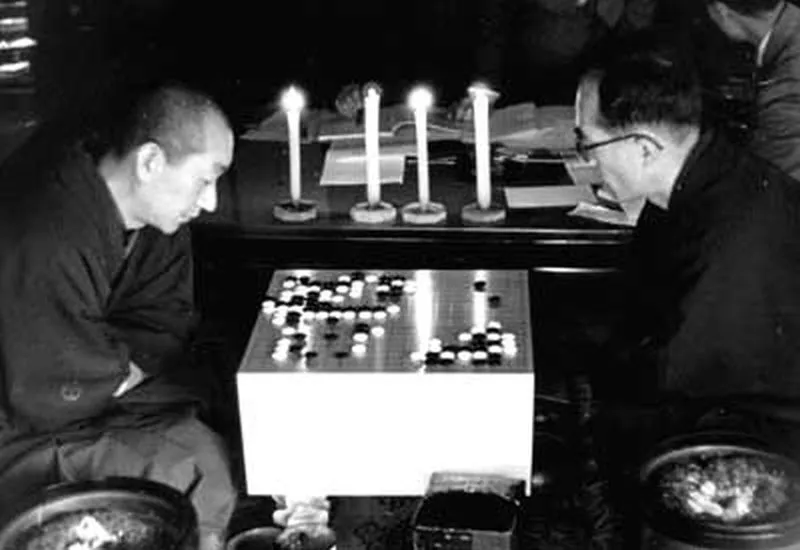
Photo: Ganesh Mohan T, CC BY-SA 4.0, via Wikimedia Commons
Every gaming group has one. The player who always seems to get the first text when game night rolls around. The one who walks in and the whole table lights up a little. And then there's the other kind — the person who showed up a few times, played hard, maybe even won, and then quietly stopped getting invited. No drama. No announcement. Just... gone from the rotation.
If you've ever wondered what separates those two types of players, you're not alone. And the answer has a lot less to do with your win-loss record than you might think.
It's Not a Meritocracy at the Table
Here's the thing nobody tells you when you first start getting serious about gaming: most regular groups aren't running tryouts based on skill. Sure, in a hardcore competitive circuit, raw ability matters. But even in tournament communities, the players who become fixtures — the ones who get pulled into side games, invited to private events, and tagged in Discord announcements — are usually the ones who've built genuine social equity.
Skill gets you in the door. Personality keeps you in the room.
That's not a knock on competitive play. It's just the reality of how human beings work. People want to spend their Saturday afternoons with someone they enjoy being around, not just someone who's good at resource management.
The Traits That Actually Get You Reinvited
You Make the Game Better for Everyone
This sounds vague, but it's surprisingly specific when you break it down. Players who consistently get invited back tend to do small things that elevate the whole experience — they explain rules clearly without being condescending, they keep the energy up during slow turns, they know when to crack a joke and when to let someone think in peace.
They're not performing. They're just genuinely engaged, and that engagement is contagious. Nobody wants to sit across from someone who's clearly just tolerating the social part to get to the gameplay.
They Handle Losing Like Adults
This one's huge, and it probably eliminates more players from future invites than any other single factor. Losing badly — throwing cards, going silent and sulky, or immediately launching into an autopsy of every decision that went against you — is a mood killer. It makes other players feel guilty for winning, which is one of the worst feelings a game night can produce.
The players who stick around long-term take a loss with grace. They laugh it off, they acknowledge a good move when they see one, and they move on. That doesn't mean they don't care — it means they understand that the game is one part of a bigger social experience.
They're Reliable Without Being Rigid
Showing up when you say you will is foundational. Canceling last minute — especially in games that require a specific player count — is the kind of thing that quietly tanks your reputation in a group. People start planning around your flakiness, which means they start planning without you.
But there's a flip side. The player who gets unreasonably upset when the session runs long, or who won't adapt when someone needs to swap a game or adjust the format, is also a liability. The sweet spot is someone who's dependable but flexible. That combo is rarer than it sounds.
They Communicate Without Drama
Gaming groups, like any social circle, run on communication. The players who thrive long-term are usually the ones who speak up when something isn't working — but do it without turning it into a thing. They'll mention if a rule interpretation feels off. They'll flag if a particular game isn't their style. They won't just stew and then disappear.
That kind of low-drama honesty is genuinely valuable. It keeps the group calibrated. Groups that lack it tend to accumulate small resentments until someone eventually rage-quits the whole scene.
What Gets You Quietly Benched
Let's flip it. Because understanding what earns respect also means understanding what erodes it.
Chronic rules-lawyering is one of the fastest ways to wear out your welcome. There's a difference between clarifying a rule and weaponizing it. If you're the person who consistently finds the technical loophole that ruins someone else's turn, people notice — and they remember.
Dominating the social space is another one. The player who talks constantly, redirects every conversation back to themselves, or makes the table feel like their personal stage tends to exhaust everyone around them. Gaming is collaborative even when it's competitive. It's supposed to be a shared experience.
Bringing outside stress to the table happens to everyone occasionally, but when it's a pattern, it becomes a problem. People come to game night to decompress. A player who consistently arrives already tilted, or who lets a rough week bleed into how they treat other players, starts to feel like a drain rather than a draw.
The Invisible Scoreboard
Here's the uncomfortable truth: there's a second scoreboard running at every game night, and most people never see it. It tracks things like — did you thank the host? Did you help clean up? Did you remember that someone was nervous about their first tournament and check in with them afterward?
These micro-moments of consideration add up. They're the difference between being seen as a player who's part of the group versus one who just uses the group as a venue.
At BDG Game Hub, we talk a lot about strategy and competition — and those things matter. But the gaming communities that last, the ones that keep showing up week after week and year after year, are built on something softer than strategy. They're built on the feeling that everyone at that table actually wants to be there with each other.
So Where Do You Land?
It's worth doing an honest audit every now and then. Not in a self-critical spiral, but just a genuine check-in. Are you someone who makes game night better? Are you the kind of player people text first — or the one they text only when they're desperate to fill a seat?
The good news is that most of this stuff is learnable. It's not about being a different person. It's about being a little more intentional about how you show up. Because the best gaming communities aren't built on leaderboards. They're built on trust, consistency, and the simple fact that spending a few hours at a table with certain people just feels good.
That's the real game. And it's one worth playing well.