What Their Chips Tell You: Reading Opponent Resources Without Saying a Word
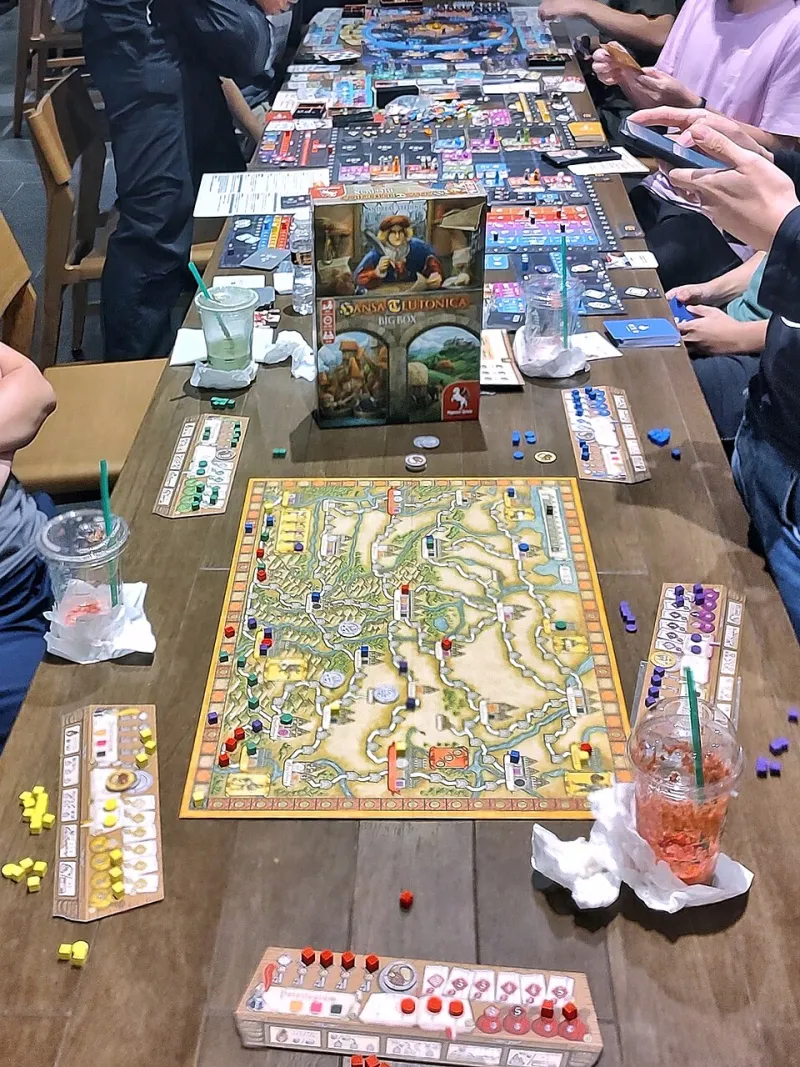
Photo: Cmglee, CC BY-SA 4.0, via Wikimedia Commons
There's a reason experienced players talk about "feel" at the table. It's not mystical. It's observational. The best competitors in any game — whether they're pushing tokens across a board in a Friday night tournament or grinding through a multi-round digital bracket — have trained themselves to absorb information that most people just... let pass by.
One of the most underrated skills in competitive gaming is understanding your opponent's resource situation. Not by asking. Not by prying. But by paying attention to the dozens of small signals that reveal how comfortable — or how squeezed — someone actually is. This isn't about manipulation or crossing ethical lines. It's about playing smart and making better strategic decisions based on what's genuinely in front of you.
Let's break it down.
The Way Someone Handles What They Have
In games that involve visible resources — currency, tokens, cards in hand, action points — the way a player manages those resources tells you a lot about their current confidence level.
A player who's comfortable tends to move with a certain looseness. They don't count their chips three times before committing. They don't pause for thirty seconds before spending a mid-value resource. Contrast that with someone who's running tight: they'll hesitate, recount, sometimes pull back from a move they were clearly about to make. That recalibration is a signal.
In board games especially, watch how players organize their resources between turns. Someone who stacks and restacks their currency or carefully separates their action cards is often running a mental audit. They're keeping close track because the margin feels thin. Meanwhile, the player who leaves things in a loose pile and grabs what they need without looking? Usually playing from a position of relative comfort.
This isn't a hard rule — some people are just naturally organized. But in context, combined with other signals, it paints a picture.
Bet Sizing and Commitment Patterns
One of the clearest windows into an opponent's resource psychology is how they size their commitments. In strategy games with variable investment options, a player who consistently goes small — even when the board state might justify going bigger — is often protecting a cushion they're worried about losing.
The flip side is the overcorrection. Some players who are feeling pressure will make an unusually large commitment to try to force a quick resolution. It's a high-variance play that says, "I'd rather end this fast than grind it out." That tells you something too: they may not trust their staying power over a longer game.
At BDG Game Hub tournaments, we see this pattern show up constantly in longer-format events. Players who are deep in a bracket and mentally fatigued will start compressing their strategy — fewer long-term investments, more attempts to create decisive moments early. Recognizing that shift lets you adjust. If your opponent is trying to force a fast conclusion, slowing the game down (when the rules allow) becomes a legitimate strategic tool.
Time and Engagement Rhythms
This one's a little more abstract but just as real, especially in digital or hybrid tournament formats. Pay attention to when and how quickly your opponent engages.
In async digital games or platforms with turn timers, a player who responds immediately at all hours might be highly invested — or might be playing from a place of anxiety, unable to step away. A player who consistently burns close to the full turn clock, especially after playing quickly earlier, is often recalculating under stress. Something shifted in their position, and they're working harder to find answers.
In live settings, watch for changes in response rhythm during a session. If someone who's been quick and decisive suddenly slows down significantly, something in their internal calculation changed. That's worth noting.
Risk Tolerance as a Real-Time Indicator
Risk tolerance isn't fixed — it shifts based on how secure someone feels. A player with strong resources tends to take calculated risks more freely because the downside is survivable. A player who's stretched thin gets conservative, sometimes to a fault.
Knowing this, you can structure your play to either exploit that conservatism or bait a desperation move. If you've correctly identified that an opponent is playing tight, making a bold but measured move can force them into an uncomfortable decision: absorb the hit and stay safe, or gamble on a response they can't fully afford.
The key word there is measured. You're not trying to bully or sandbag anyone. You're playing the board as it actually exists, with full awareness of the dynamics in play. That's just good strategy.
The Ethics of Observation
It's worth being direct about this: reading behavioral cues is completely different from pressuring, deceiving, or manipulating an opponent. Everything described here is about observation — taking in information that's already visible in the normal flow of play.
You're not rifling through someone's bag or asking intrusive questions about their finances. You're watching how they play the game in front of you. That's not just acceptable — it's expected at a competitive level. Every serious player does it. The ones who do it more systematically just win more often.
The line is clear: observe freely, interpret carefully, act strategically. Don't create false impressions, don't use information obtained outside the game, and don't try to manufacture stress through unsportsmanlike behavior. Keep it clean.
Putting It Together at the Table
Building this kind of read takes practice, and it's worth developing as a deliberate habit rather than something you try to do in the heat of a match. Start by picking one signal to track in your next session — maybe it's how often your opponent recounts their resources, or how long they take before committing to a significant move.
As that becomes second nature, layer in another signal. Over time, you'll start building composite reads that are genuinely useful — not just interesting observations, but actionable strategic information.
The best players at any BDG Game Hub event aren't just thinking about their own position. They're building a running model of everyone else at the table — what they have, what they're protecting, and what they're afraid to lose. That model doesn't have to be perfect. It just has to be more accurate than what your opponents are building about you.
That's the silent advantage. And it's available to anyone willing to actually pay attention.