Same Game, Different Beast: How Digital and In-Person Play Are Worlds Apart

Photo: Rodhullandemu, CC BY-SA 4.0, via Wikimedia Commons
You've probably had this moment: you're crushing it in the digital version of a game, feeling confident, racking up wins — then you sit down at an actual table with real people and suddenly nothing feels right. Or maybe it's the reverse. You're a seasoned tabletop veteran who downloaded the app version of your go-to game and got absolutely wrecked by the interface. Same rules. Same pieces. Completely different animal.
This isn't just a matter of getting used to a new platform. The format you play in reshapes the entire experience — how you think, how you read the room (or the screen), how much pressure you feel, and even what strategies actually work. If you're serious about competing at BDG Game Hub or just want to figure out which format fits your crew, understanding these differences is a serious edge.
The Clock Changes Everything
One of the biggest and most underappreciated differences between digital and in-person play is pacing. Online platforms almost always impose timers — sometimes aggressive ones. In chess apps, you might have ten seconds to make a move. In digital card games, the timer ticks down whether you're ready or not. That pressure is artificial but very real, and it fundamentally changes your decision-making process.
At a physical table, you've got more breathing room. Sure, nobody wants to be that person who takes fifteen minutes per turn, but there's a social buffer built into face-to-face play that apps just don't replicate. You can glance around, gauge how antsy your opponents are, and make a judgment call about how much time you can actually take. That social negotiation is part of the game — and it's invisible in digital formats.
Competitors who perform well across both formats often say they had to train themselves to think differently under each set of conditions. Digital sharpens fast instincts. In-person deepens deliberate thinking. Neither is better — they're just different muscles.
What the Screen Hides (and What It Shows You)
In-person gaming is a sensory experience. You can see your opponent fidget. You notice when someone hesitates before picking up a card. You pick up on tone of voice, eye contact, the way someone shuffles chips nervously. These reads are a massive part of competitive strategy for games like poker, negotiation-heavy board games, or anything with a bluffing mechanic.
Strip all of that away and move online, and you're left with pure mechanics and maybe a chat box. Suddenly, tells become irrelevant. The psychological layer — the stuff that makes a lot of tabletop games so compelling — evaporates. What you're left with is decision trees, probability, and pattern recognition against an opponent you can't see.
Interestingly, this cuts both ways. Players who get rattled by social pressure or who struggle with poker faces often find digital formats liberating. The screen is a great equalizer in that sense. But players who thrive on reading people can find online competition oddly flat, like watching a movie with the sound off.
Some Games Were Built for One World
Let's be honest — not every game translates gracefully. Some titles were clearly designed with a specific medium in mind, and forcing them into the other format reveals the seams.
Games with heavy negotiation mechanics — think Diplomacy, Cosmic Encounter, or Sidereal Confluence — lose a significant chunk of their soul online. The deal-making, the whispered side conversations, the dramatic betrayals — these moments need physical presence to land properly. A text chat box just doesn't carry the same weight as a face-to-face promise you're about to break.
On the flip side, games with complex setup, a ton of components, or lots of bookkeeping often shine digitally. The app handles the math, automates the fiddly bits, and lets you focus on the actual strategy. Twilight Imperium is legendary for its six-to-ten-hour sessions and sprawling physical setup — but its digital adaptations make the whole thing far more accessible without sacrificing the strategic depth.
When choosing which format to play, it's worth asking: what is this game, really? Is it about reading people, or is it about solving a puzzle? The answer usually tells you which format it belongs in.
How Serious Competitors Are Adapting
Top-level players who compete in both formats have started treating them like separate disciplines entirely — which they kind of are. Tournament players heading into in-person events will often run practice sessions specifically focused on physical tells, table presence, and managing the social dynamics of a live game. Players grinding online tournaments sharpen their speed, their memorization of optimal lines, and their ability to perform under timer pressure without the luxury of reading an opponent's face.
Some competitors even maintain different strategic profiles for each format. A bluff-heavy style that works beautifully at a live table might be completely ineffective online where nobody can see you sweat. An ultra-aggressive digital strategy might backfire in person where opponents can visibly sense when you're overextended.
The smartest players don't try to copy-paste their approach from one format to the other. They adapt. And they get genuinely good at both by treating them as distinct skill sets rather than the same game in a different wrapper.
Casual Groups Are Choosing Sides — And That's Fine
Not everyone is chasing tournament glory, and for casual gaming groups, the format question is more about lifestyle than strategy. A lot of friend groups have landed firmly in one camp or the other, and the reasons are pretty practical.
Digital formats win on convenience. You don't need everyone in the same room, you don't need to store a giant box, and you don't need to spend twenty minutes setting up before you can actually play. For groups scattered across different cities — which, let's face it, describes a lot of adult friend groups in the US — online play keeps the hobby alive when in-person isn't possible.
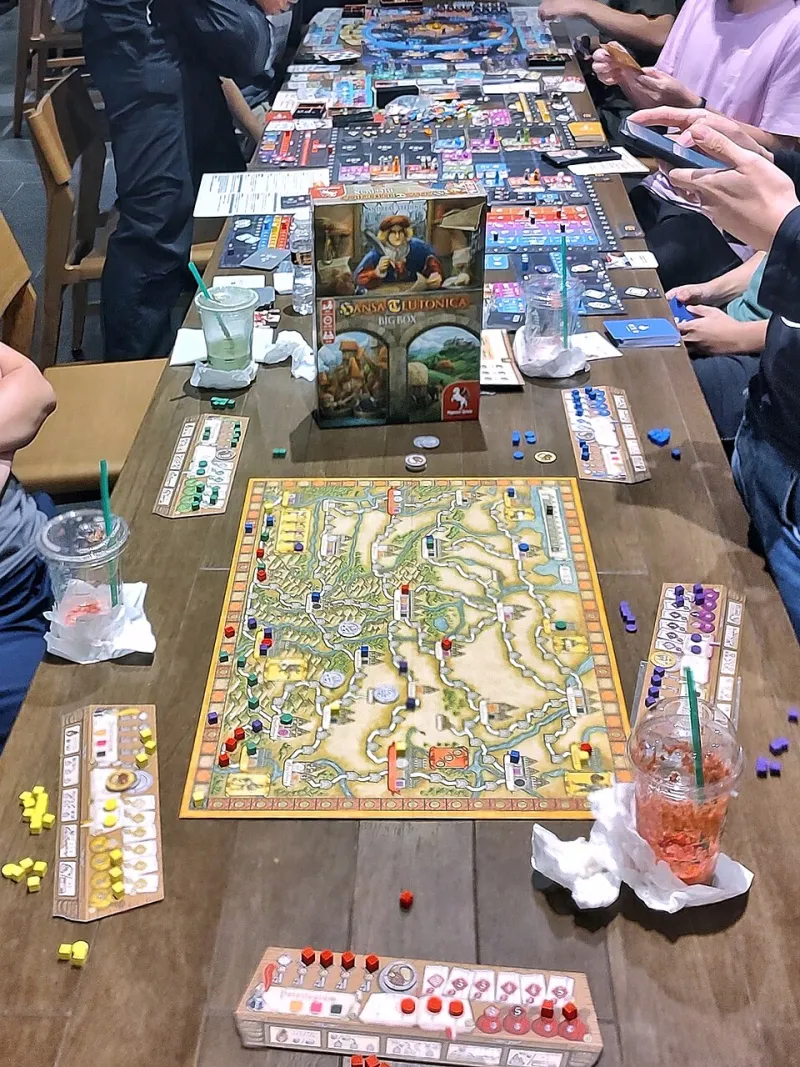
But physical play wins on experience. There's something irreplaceable about sitting around a table, snacks in reach, trash-talking in real time, and physically moving pieces across a board. It's social in a way that a voice chat just isn't. A lot of casual players say the game almost doesn't matter — it's the excuse to gather that counts.
Both instincts are completely valid. The format that keeps people playing is the right one.
Finding Your Format — Or Owning Both
Here's the takeaway: if you've been frustrated by how differently your favorite game feels across formats, you're not imagining it. The shift is real, it's significant, and it affects everyone from beginners to seasoned competitors. The question isn't which format is better — it's which one fits your goals right now.
Want to sharpen your reads and social strategy? Get to a table. Want to drill mechanics and speed? Fire up the app. Want the best of both? Start treating them like separate games that happen to share a rulebook — because honestly, that's exactly what they are.
At BDG Game Hub, we believe that ruling the board means understanding the board you're actually on. And sometimes, that means recognizing when the board has changed entirely.