Screen Time to Game Time: How Streaming Is Rewiring the Way We Actually Play

Photo: Rahio1234, Public domain, via Wikimedia Commons
There's a decent chance you've done this: watched a streamer spend forty-five minutes dissecting a single opening move, nodded along like you totally get it, and then sat down at your next game and completely blanked on everything you just absorbed. Welcome to the streaming age of gaming — where content is everywhere, knowledge is abundant, and somehow, we're still making the same mistakes we always have.
Streaming has exploded across both board games and digital games. Platforms like Twitch, YouTube, and even TikTok are packed with creators running through strategy guides, live tournament coverage, and full play-through sessions. For a community like ours here at BDG Game Hub, that's genuinely exciting. But it also raises a real question worth sitting with: is all this content actually sharpening our skills, or is it subtly changing the way we relate to games in ways that aren't always healthy?
The Knowledge Flood Is Real — And It Cuts Both Ways
Let's start with the obvious upside. Streaming has democratized game knowledge in a pretty remarkable way. Ten years ago, if you wanted to get serious about a strategy game, you either had to grind it out through trial and error, find a mentor, or dig through forum threads that hadn't been updated since 2009. Now you can pull up a two-hour deep dive on resource management in Wingspan or watch a grandmaster-level breakdown of an RTS build order while you eat lunch.
That access is legitimately valuable. Newer players can compress years of learning into weeks. Competitive scenes grow faster because the baseline knowledge in the community rises. Tournaments get more interesting because more people show up actually prepared.
But here's where it gets complicated. Streaming also creates a kind of performance pressure that didn't used to exist at the casual level. When you've spent hours watching someone execute a flawless strategy with confidence and commentary, it's easy to internalize that as the "right" way to play — and to feel like anything less is a failure. That's not a mindset that serves most players well, especially people who are still figuring out what they even enjoy about a game.
The Highlight Reel Problem
Streaming content, almost by nature, skews toward the dramatic. You see the clutch plays, the perfect reads, the moments where everything clicks. What you don't see as often is the streamer's two hundred hours of grinding before they made that look easy, or the fifteen takes it took to get a clean recording of that "spontaneous" strategic insight.
This is the highlight reel problem, and it's not unique to gaming — athletes deal with it, musicians deal with it, anyone who consumes a lot of polished content about a skill they're trying to develop deals with it. The brain starts treating exceptional performance as the norm, and suddenly your own very reasonable progress feels underwhelming by comparison.
For board game players especially, this can quietly kill the joy of discovery. Half the fun of a great strategy game is figuring it out yourself — making a bad call, losing badly, and then lying awake at 1 a.m. connecting the dots on what went wrong. Streaming can short-circuit that process if you let it.
So How Do You Actually Use Streaming to Get Better?
The good news is that streaming content is genuinely useful when you approach it with intention rather than just passively absorbing it. A few things that actually work:
Watch after you play, not before. If you're learning a new game, let yourself experience it cold first. Form your own impressions, make your own mistakes, develop your own hunches. Then go watch how experienced players approach the same situations. That contrast is where real learning happens — you'll recognize the gaps in your thinking in a way that passive pre-game watching just doesn't produce.
Focus on the reasoning, not the moves. The best streaming content doesn't just show you what to do — it explains why. Prioritize creators who narrate their decision-making process out loud. That kind of content transfers across game states, opponents, and even different games entirely. You're building a mental framework, not memorizing a script.
Use community discussions as a sparring ground. One of the most underrated parts of the streaming ecosystem is the conversation happening in comments, Discord servers, and community forums. Engaging with those discussions — even just reading them — forces you to stress-test your own understanding. If you can't explain why a streamer's move was good, you probably haven't fully internalized it yet.
Give yourself permission to disagree. Streamers aren't infallible, and the best ones will tell you that themselves. Developing your own read on a situation, even if it contradicts what a popular creator would do, is a sign that you're actually thinking rather than just copying. Trust that instinct. It's how you develop a genuine playing style.
The Community Angle Nobody Talks About Enough
Beyond strategy, streaming has done something quietly powerful for gaming communities: it's given players a shared vocabulary and a common frame of reference. When someone at your game night drops a reference to a streamer's famous blunder or quotes a piece of analysis that went viral, it creates an instant sense of connection. That's the kind of thing that turns a one-time game session into a recurring crew.
Here at BDG Game Hub, that sense of shared culture is kind of the whole point. Streaming feeds directly into it — it gives players something to talk about, argue over, and bond around between sessions. The competitive scene benefits too, because tournaments draw more engaged participants when there's a content ecosystem keeping the game top of mind.
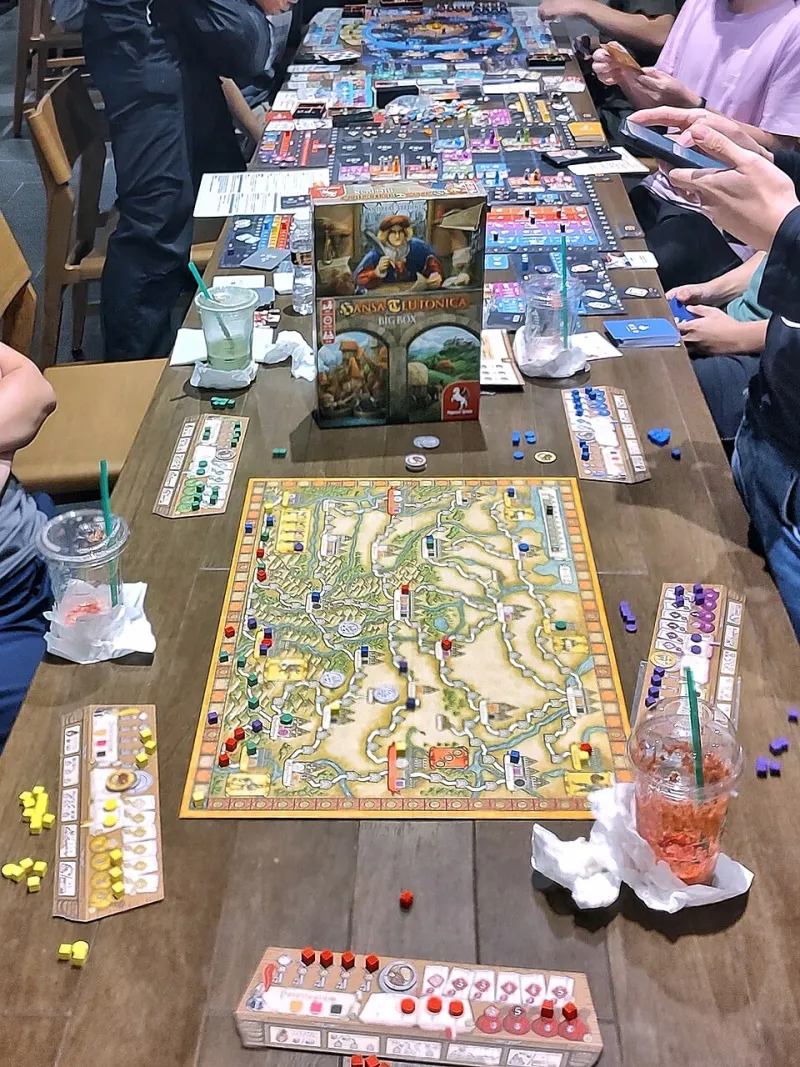
The key is making sure the content serves the community rather than replacing it. No amount of streaming beats sitting across from a real opponent, reading their tells, and making a call under actual pressure. The screen is a great teacher, but the table is still where the game gets played.
Keep the Joy in the Mix
At the end of the day, most of us play games because they're fun. Streaming is at its best when it amplifies that — when it gives you new things to try, new ways to think, and new people to connect with. It starts working against you the moment it makes you feel like you need to perform rather than play.
Watch the streams. Learn the strategies. Engage with the community. But then close the laptop, shuffle the deck, and just play. That's where it all actually happens.